Source Corrosion Resistant Dual Float Switch for Tanks, Pumps, and Sumps
Find 30 corrosion resistant dual float switch options for industrial liquid level control. Compare specifications including accuracy, pressure ratings, and mounting modes from verified Chinese manufacturers to select the right sensor for your application; compare the available evidence and request quotations based on your requirements.
Key considerations
Products List


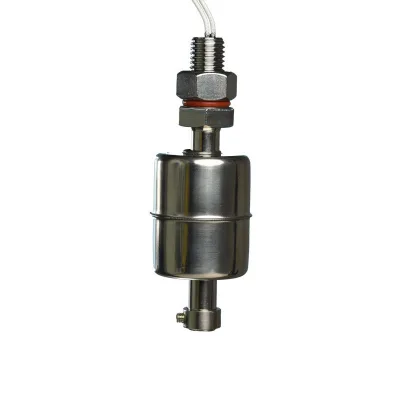


Comprehensive Sourcing Guide
Corrosion Resistant Dual Float Switch Sourcing Guide
Procuring corrosion-resistant dual float switches requires a disciplined approach to material selection and operational verification. These devices are critical for maintaining precise liquid level control in industrial environments where chemical exposure or abrasive media can compromise standard components. Buyers must prioritize switches constructed from high-grade stainless steel, such as 304 or 316L, to ensure longevity and resistance to pitting or crevice corrosion. The dual float configuration offers redundancy and enhanced reliability, making it suitable for applications where a single point of failure could lead to significant process disruptions or safety hazards.
The sourcing process involves evaluating the switch’s ability to handle specific medium densities and viscosities, which directly impacts the float’s buoyancy and response time. It is essential to verify that the wetted parts are compatible with the process fluid, as incompatible materials can lead to rapid degradation and inaccurate readings. Buyers should also consider the mounting mode, whether side-mounted or top-mounted, as this affects installation complexity and maintenance access. Understanding these technical nuances ensures that the selected switch meets both immediate operational needs and long-term durability requirements in demanding industrial settings.
Product Scope and Observed Listing Signals
The current market for dual float switches presents a diverse range of models, with observed price points spanning from $0.50 to $1,000 USD. This wide variance reflects differences in material quality, certification levels, and customization options available from suppliers. Minimum order quantities typically range from one unit to one thousand, allowing buyers to scale their procurement based on project size and budget constraints. The presence of customized float models indicates that manufacturers are willing to tailor specifications to meet unique application requirements, providing flexibility for specialized industrial needs.
Listing signals also reveal variations in packaging and origin, with products primarily sourced from China and packaged in boxes or wooden crates. These logistical details are crucial for planning supply chain efficiency and ensuring safe transit of sensitive instrumentation. Buyers should note that while some listings offer standard models, others provide customized solutions based on specific drawings, which may impact lead times and cost structures. Understanding these market signals helps buyers set realistic expectations regarding delivery schedules and total landed costs, facilitating more accurate budgeting and inventory planning for their procurement projects.
Technical Specifications to Verify
When evaluating dual float switches, buyers must verify key technical parameters such as measurement accuracy, which can range from ±3mm to ±8mm depending on the model. The process temperature tolerance is another critical factor, with some units rated for -40°C to 250°C, while others are limited to -20°C to 80°C. These thermal limits dictate the suitability of the switch for specific industrial processes, ensuring that the device can withstand extreme conditions without compromising performance. Additionally, the operation pressure range, which can extend up to 42MPa, must be matched to the system’s maximum operating pressure to prevent mechanical failure.
The medium density and viscosity requirements are equally important, with switches often requiring a minimum density of 400kg/m³ and a maximum viscosity of 0.4Pa·S. For interface level applications, a differential density of at least 160kg/m³ is necessary for accurate detection. Buyers should also confirm the cable entry type, such as 1/2"NPT, M20×1.5, or 3/4"NPT, to ensure compatibility with existing conduit systems. Verifying these specifications against the application’s actual conditions prevents mismatches that could lead to inaccurate level readings or premature component failure in the field.
Compliance and Safety Documentation
Certification status is a primary indicator of a switch’s compliance with international safety and quality standards. Many listed products carry CE certification, ensuring adherence to European health, safety, and environmental protection standards. Some models also include UL certification, which is vital for markets requiring North American safety compliance. Buyers must verify that the certifications are current and applicable to the specific model being purchased, as certifications can vary between different product lines and manufacturing batches. This verification process mitigates legal and operational risks associated with non-compliant equipment in regulated industries.
In addition to certifications, buyers should request detailed documentation regarding the switch’s electrical contact capacity and output signals. Typical specifications include contact capacities of 5A at 250VAC or 24VDC, with normally open or normally closed configurations. Understanding these electrical parameters is essential for integrating the switch into existing control systems without causing electrical faults or signal interference. Buyers should also confirm the ambient temperature and humidity ranges, ensuring that the device can operate reliably in the intended environment without degradation of its electronic components or mechanical parts.
Cost Drivers and Commercial Terms
Several factors influence the final cost of dual float switches, including material selection, customization requirements, and certification levels. Stainless steel grades like 316L are more expensive than 304 due to their superior corrosion resistance, directly impacting the unit price. Customized models, which may require specific drawings or unique mounting configurations, often incur additional engineering and manufacturing costs. Buyers should also consider the impact of order volume on pricing, as larger quantities may qualify for discounts, while small orders might face higher per-unit costs due to setup fees.
Commercial terms such as delivery lead times and warranty periods are critical components of the total cost of ownership. Typical delivery times range from 7 to 15 days, which affects inventory planning and project timelines. A standard one-year warranty provides a baseline for risk mitigation, but buyers should inquire about extended warranty options for critical applications. Additionally, packaging methods, whether standard boxes or reinforced wooden crates, can influence shipping costs and the risk of damage during transit. Understanding these commercial variables allows buyers to negotiate better terms and avoid hidden costs that can erode project margins.
Supplier Qualification and Quality Control
Supplier qualification is essential for ensuring the reliability and consistency of dual float switches. Buyers should verify the manufacturer’s production capabilities, including their ability to produce customized models and maintain strict quality control processes. The use of high-pressure cast aluminum or stainless steel housings indicates a commitment to durability, but buyers must confirm that these materials are sourced from reputable suppliers. Quality control measures, such as rigorous testing of contact capacity and measurement accuracy, are vital for ensuring that each unit meets the specified performance standards before shipment.
Documentation of the manufacturing process and material certifications is another key aspect of supplier evaluation. Buyers should request evidence of material traceability, particularly for wetted parts made from 316LSST, 304SST, or graphite materials. This traceability ensures that the materials used are genuine and meet the required corrosion resistance standards. Additionally, buyers should assess the supplier’s ability to provide technical support and after-sales service, which can be crucial for troubleshooting installation issues or addressing warranty claims. A qualified supplier with robust quality control processes reduces the risk of receiving defective or non-compliant products.
Long-Term Procurement Checks
Long-term procurement success depends on establishing a framework for ongoing performance monitoring and supplier relationship management. Buyers should implement regular audits of installed switches to verify that they continue to meet performance specifications, such as measurement accuracy and contact capacity. Tracking failure rates and maintenance costs can provide valuable insights into the reliability of different models and suppliers, informing future purchasing decisions. This data-driven approach helps identify trends and potential issues before they escalate into significant operational problems, ensuring continuous process efficiency.
Building a strong relationship with qualified suppliers is also crucial for long-term procurement stability. Buyers should engage in regular communication with suppliers to discuss performance feedback, new product developments, and potential improvements in design or materials. This collaboration can lead to better pricing, improved lead times, and access to innovative solutions that address evolving operational needs. Additionally, buyers should stay informed about changes in industry standards and regulations that may impact the compliance requirements for dual float switches, ensuring that their procurement strategy remains aligned with current best practices and legal obligations.
FAQs
What certifications do these switches have?
These switches carry CE certification, and some models also include UL certification. This ensures compliance with international safety standards for industrial applications involving liquid level monitoring and interface detection.
How is the measurement accuracy defined?
The measurement accuracy varies by model, with options offering ±3mm or ±8mm precision. This level of accuracy supports reliable detection for liquid levels and interfaces in various industrial tank environments.
Which materials are used for wetted parts?
Wetted parts are constructed from 316L, 304, or 316S stainless steel, along with graphite material. These materials provide excellent corrosion resistance for handling diverse liquid media with specific density and viscosity requirements.
Can the product be customized for specific needs?
Yes, customization is available for this product line. Buyers can request specific models like MG8320 or MG8330, and the standard depends on the drawing provided to meet unique application requirements.
What is the delivery lead time for orders?
The standard delivery time ranges from 7 to 15 days after order confirmation. This lead time applies to customized float switches and standard units shipped from the manufacturing origin in China.
What is the maximum operating pressure?
Operating pressure capabilities range up to 420 bar or 42 MPa depending on the specific model. Some variants support up to 63 bar, ensuring suitability for high-pressure industrial liquid level applications.
How is the product packed for shipping?
Products are packed in boxes, cartons, or wooden boxes depending on the specific order requirements. This packaging ensures safe transport of the stainless steel or cast aluminum housing units to global destinations.